
Positive change is happening in Cornwall’s schools. Not dramatically, not overnight but in the quiet, steady, meaningful way that real change often unfolds. And it’s happening because we have supported and facilitated meaningful connections.
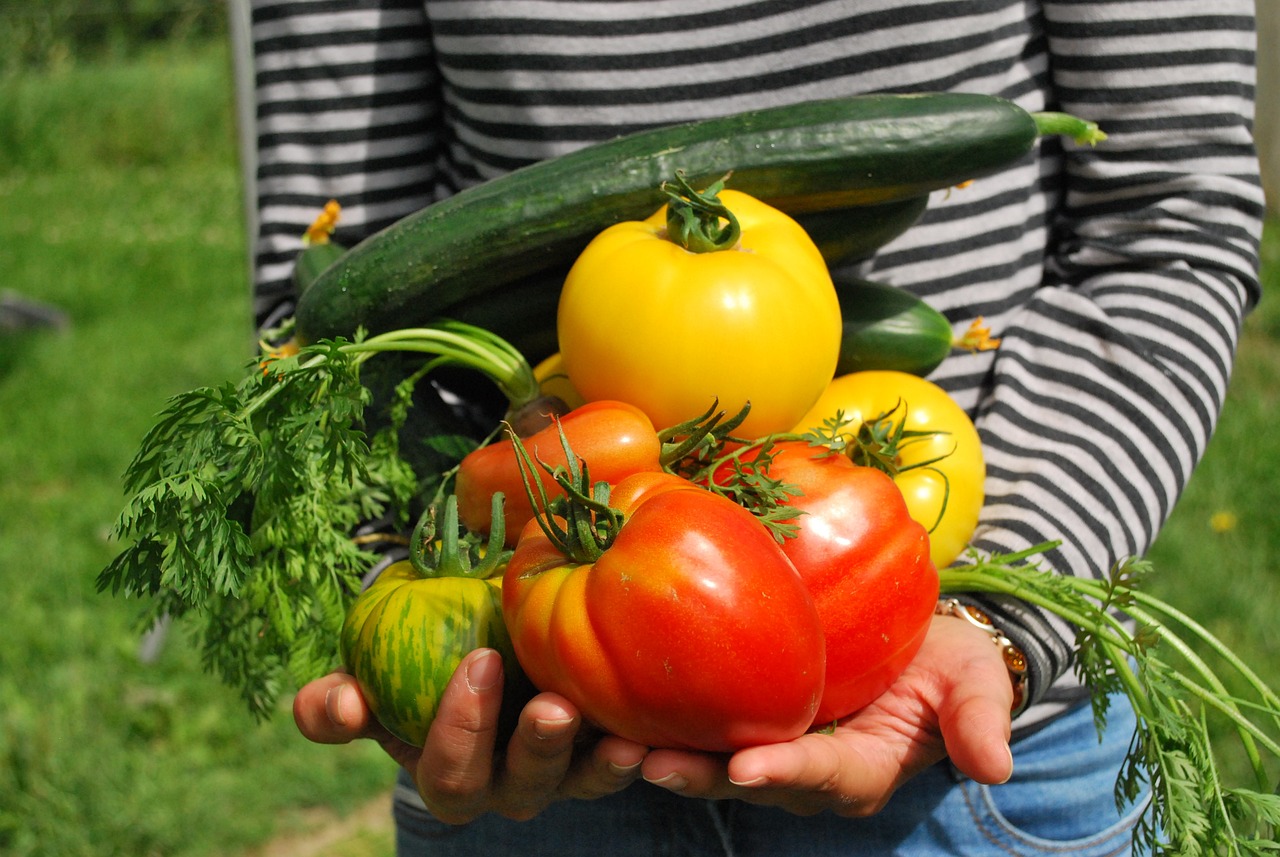
Those connections mean children are trying fresh fish, some for the first time, and licking homemade tomato ketchup from their plates. They’re seeing permaculture principles in action and getting their hands in the soil. Community growers are teaming up with their local schools. And young people are being asked, seriously, what they think about food.
A New Chapter for Stoke Climsland’s School Food Culture
Earlier this year, we connected Stoke Climsland primary school with Chefs in Schools, a charity doing remarkable work to transform the food children eat every day. The positive results have been quick and they’ve been visible.
The school has been supported to embed a vision for school food that promotes good nutrition and sustainability. Jess, the school chef has been supported to rethink the menu from the ground up: cutting out ultra-processed foods, planning vegetable-forward meals, and sourcing fresh, local ingredients. Fresh fish has appeared on the menu with some children trying it for the very first time. And in one of those small moments that says everything, children were spotted licking homemade tomato ketchup clean off their plates.
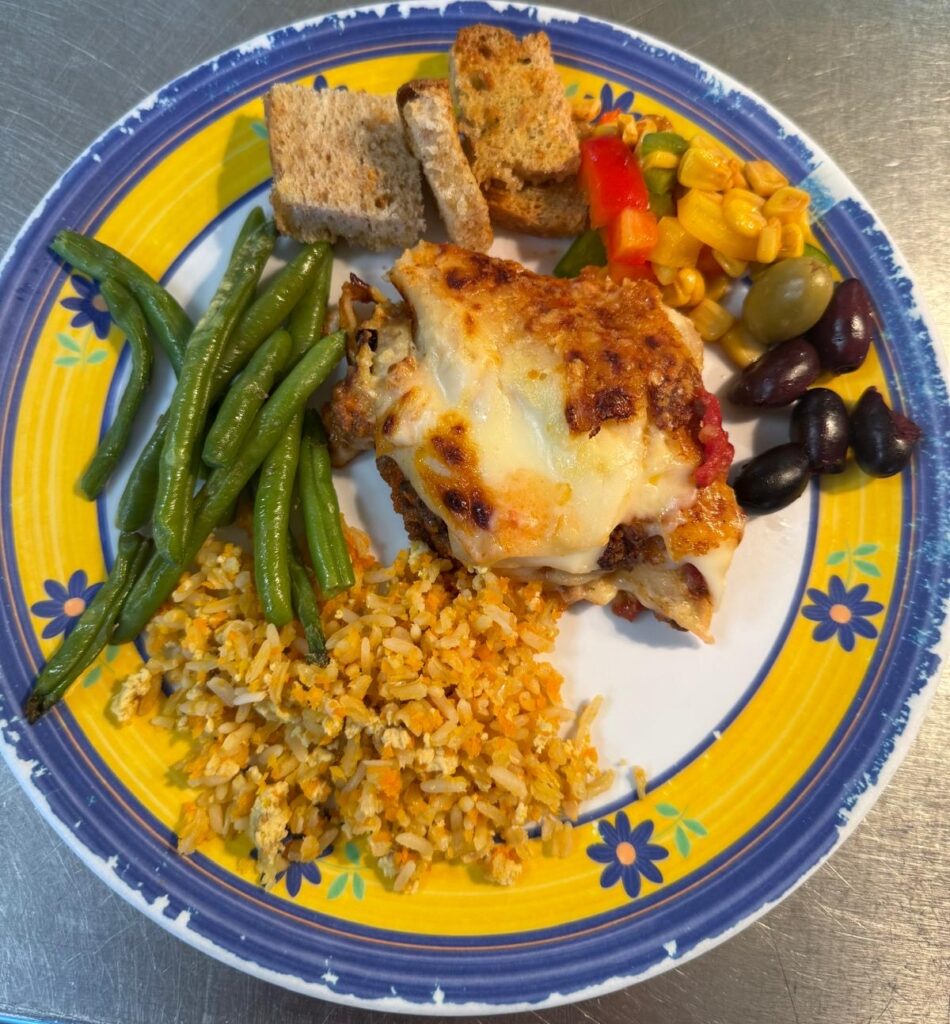
This term, parents and the community will be invited into school to try the food for themselves — and they’re genuinely in for a treat. The dishes being served are fresh, delicious, and full of flavour, and it’s a wonderful chance for families to see (and taste) the difference this work is making.
This work has been part-funded by Riverford Organics, who have supported Chefs in Schools across the south west. If you’re a school cook, it’s worth knowing that Chefs in Schools run a free Chef Educator training programme — an eight-week professional development course with expert trainers, covering nutrition, culinary skills, and food education.
A Growing Partnership: How Quethiock School and Tregovenek Are Cultivating Something Special
We’ve recently connected Quethiock C of E School with Tregovenek at Pentiddy Woodland, sparking a brand-new collaboration that brings community growers and young learners together. The aim? To help the school develop its own growing spaces and inspire children to get hands‑on with nature.
Hayley, a local permaculture specialist, has already created a beautiful design plan for the school’s community garden — a space that will one day be open for everyone to enjoy. The next milestone is bringing together a parent working group to help bring the vision to life. And the excitement is already spreading: last week, the school’s eco club visited Tregovenek to plant their first seedlings and get a real‑world look at how a thriving community garden works.
The school PTA has now joined in with extra funding alongside ours, which says a lot about the enthusiasm building around this idea. It’s a community effort — and we couldn’t be more excited to see how it grows from here.
Plot to Plate: a county-wide growing programme launches
We’ve launched our Plot to Plate programme in partnership with Healthy Cornwall, and it’s now getting underway in ten schools across the county. Children are far more likely to try a new fruit, vegetable or herb when they’ve grown it themselves — and with food fussiness on the rise nationally, alongside increasing sugar and ultra‑processed foods in children’s diets, there’s real value in giving them these hands‑on experiences. Plot to Plate offers Key Stage 1 children a longer‑term growing and tasting journey, as well as the life‑long skill of learning how to grow their own food and the added benefits of outdoor learning.
The structure is straightforward but carefully thought through. The programme will begin with a session exploring how children currently feel about fruit and vegetables. Healthy Cornwall will then provide schools with the resources they need to start a growing project. Community growers from Loveland in Penryn and Nourish Kernow in Camelford will train teachers to run their own growing projects, offering ongoing support. From there, the children will plant, tend, and eventually harvest their own produce.
At the end of the summer term, we’ll bring children together to taste what they’ve grown and see whether their confidence and curiosity around new foods have shifted. We think it will — but we’ll let them tell us.
Last week I visited Sir Robert Geffery’s School and came away genuinely inspired. The school runs its own farm on site, giving children regular access to animal care, allotment planning and hands-on learning about seasonality and how food is grown. Through weekly enrichment sessions, every child spends time learning outdoors, getting hands-on experience with food, soil and nature. It’s exactly the kind of practice that shows what’s possible when a school commits to embedding food education into everyday life.
I’m really grateful to Claire and the other staff for welcoming me in and showing me around. The site is also a Linking Environment and Farming (LEAF) Education Demonstration school, which champions schools which use or are working towards using farming, food production and the natural environment topics within its curriculum.
Of course, like so many brilliant initiatives, the biggest challenge is funding. School budgets are incredibly tight, and maintaining a space like this takes real commitment. But what Sir Robert Geffery’s has built is proof that, with the right ethos, support and community input, powerful learning environments can grow and thrive.
Cornwall Youth Food Forum — amplifying young people’s voices on food
Our final update this term is something we’re excited about because of what it could grow into. We’re launching a Youth Food Forum, open to young people from Year 9 upwards across Cornwall.
We’ll be working with Dr. Rhiannon Day Thomson—a GP and specialist in ultra-processed food, the gut microbiome, and health. We want this to be a space where young people feel their voices are heard, and where we meet them where they are. Our first meeting is online later this month, and we’re really looking forward to hearing what the young people who join want to explore.
It feels important to simply ask teenagers what they think, rather than telling them. We’re hopeful about where their ideas might lead—and we’ll report back once the conversation begins.
Get Involved: To help these ideas take root, we want to connect our students with local businesses and changemakers who can support them in bringing their visions to life. If you feel you have expertise, resources, or mentorship to offer the forum in any way, please get in touch with Danielle at [email protected].
__________
None of these projects existed a year ago, and that’s worth reflecting on. Real change comes from people working together and supporting one another, sharing ideas, and refusing to stay in their own silos. Shifts in ethos don’t happen overnight, but they do build, but when collaboration sparks and the right people connect at the right moment, things can move faster than you expect. And right now, it feels like we’re starting to see those small, connected efforts turning into something real.
If any of this resonates with what you’re trying to do in your school or community, we’d love to hear from you.