
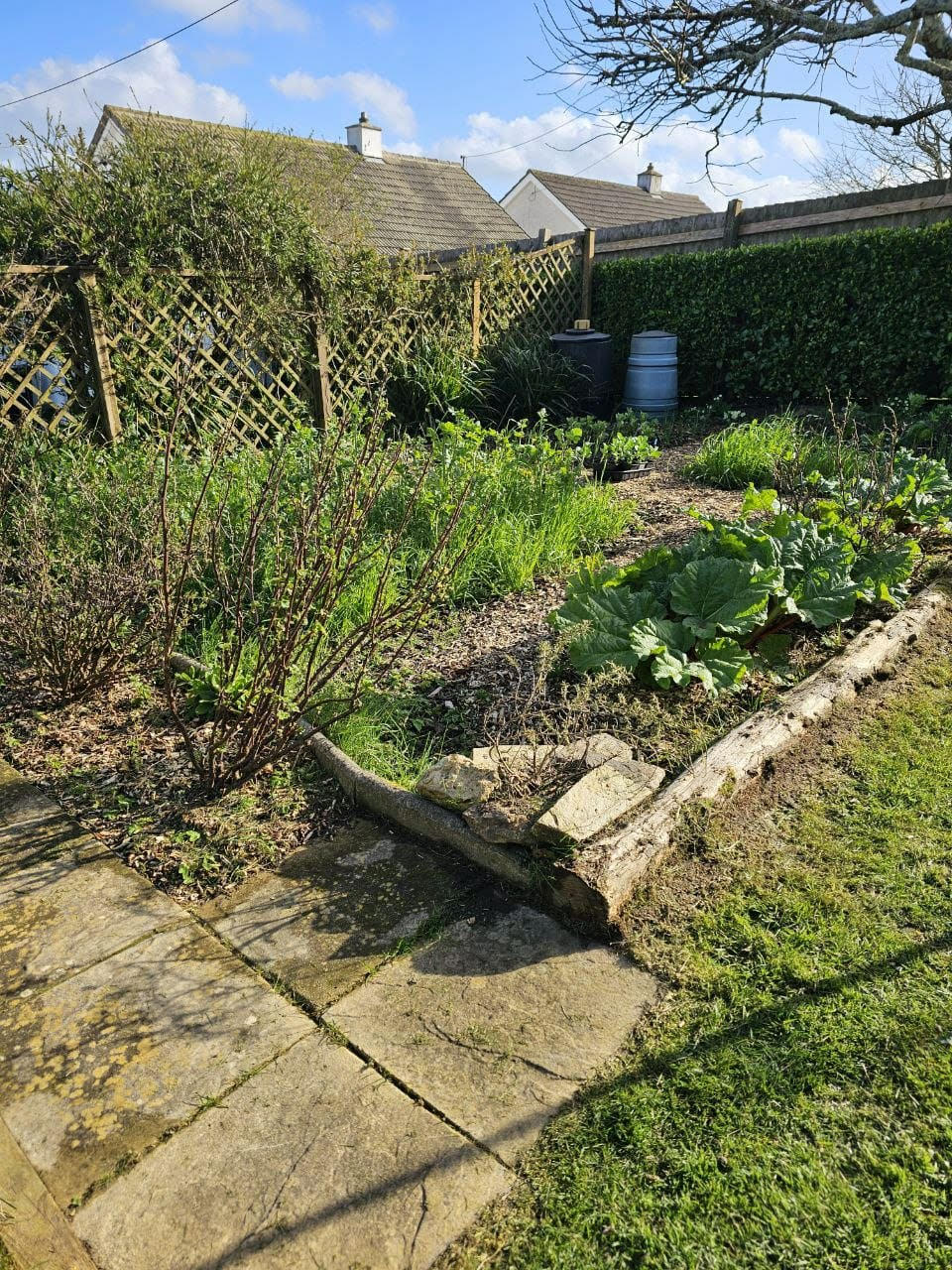
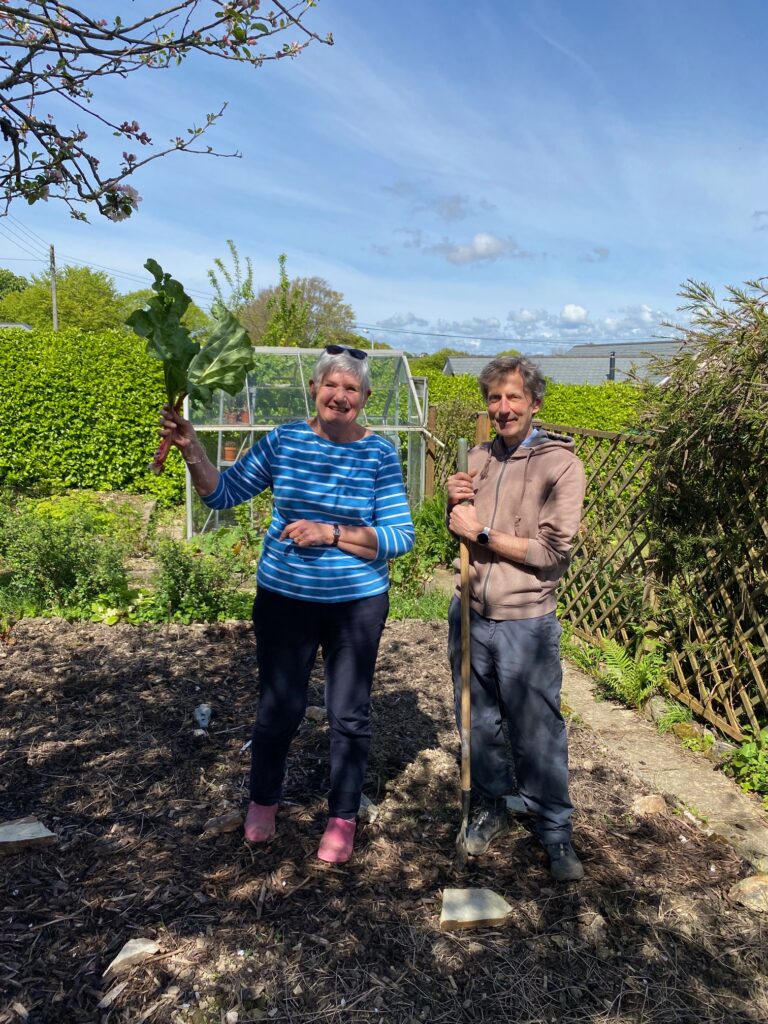
Access to space for growing fruit and vegetables is becoming increasingly limited. With allotment waiting lists stretching for years and gardens an increasing luxury, many people simply don’t have the opportunity to grow their own food.
A new initiative in Truro aims to change that by linking people who have gardens but lack the time or energy to cultivate them with those who are keen to grow but have no land. We spoke to Sarah Wetherill, a Director of Community Patchwork Farm Truro, to find out more.
What is Community Patchwork Farm Truro and how did it come about?
We are literally a community patchwork farm, made up of individual private and public spaces for growing fruit and vegetables across Truro.
A group of four of us started thinking about the idea at the end of 2022. Initially, we discussed creating some sort of garden-share scheme that could match people with gardens to those who don’t have any space but want to grow, such as people living in flats.
There’s a lot of demand for allotments, but the waiting lists are very long. At the same time, there are people who have gardens but don’t have the time to grow—possibly older people, or younger people busy with family life. The idea is that the produce grown is shared between the grower and the garden owner.
How has it developed from idea to reality?
We started by researching who was doing something similar elsewhere and came across Edinburgh Garden Partners, a successful garden-share scheme. We spoke to the people behind it, and they were happy to share their experience and explain how their scheme operates.
We then began developing a scheme based on the Edinburgh project, starting by gauging the level of demand. As a result, we quickly had four gardens signed up.
We realised we needed to formalise the arrangements and attract more volunteers, so we decided to set up a Community Interest Company (CIC). This would make it easier to pursue funding opportunities and open a bank account. The CIC was established in February 2024.
However, we were all volunteers with jobs and other commitments, and didn’t have enough time to dedicate to developing the project further.
We applied for funding from The National Lottery Community Fund, convinced we probably wouldn’t be successful—but last summer we found out that we were. That grant has allowed us to employ a grower for two days a week for 18 months, from October 2025 to April 2027, enabling us to get the project off the ground.
We recruited Rob Downes, an experienced fruit and veg grower, who has been a real asset in helping the project grow. His focus has been on preparing the existing gardens, improving our social media presence and developing detailed procedures.
We are now aiming to have around eight gardens signed up and ready for volunteers by the end of the year. Our current focus is recruiting volunteers—we have three or four already, but we are keen to involve more people.
How does the scheme work?
Gardens are matched with volunteers, and each party signs an agreement outlining how the scheme works, including access arrangements—such as which days volunteers can attend.
It’s important that both parties are clear about expectations, including what can be accessed and when. There is also a strong emphasis on nature-friendly, organic growing methods.
We would also like to expand into more public growing spaces and develop stronger links with community groups.
What are the benefits of Community Patchwork Farm?
There are clear mental and physical health benefits from growing healthy, nutritious food. There are pockets of deprivation in Truro, as in many areas of Cornwall, and promoting healthy eating and well-being can bring significant public health benefits.
The project also fosters a strong sense of community. Some garden owners live alone, so the scheme provides valuable social connection.
At its heart, the project is about community engagement and helping people feel more connected.
How will the project develop in the future?
We are now actively recruiting volunteers and are working with Truro City Council to use part of Victoria Gardens.
There is an area there that was previously used by the council, including a polytunnel, which they are allowing us to use. This will provide a city centre location where volunteers can work, with facilities for raising plants, as well as seating for a social space and potential events.
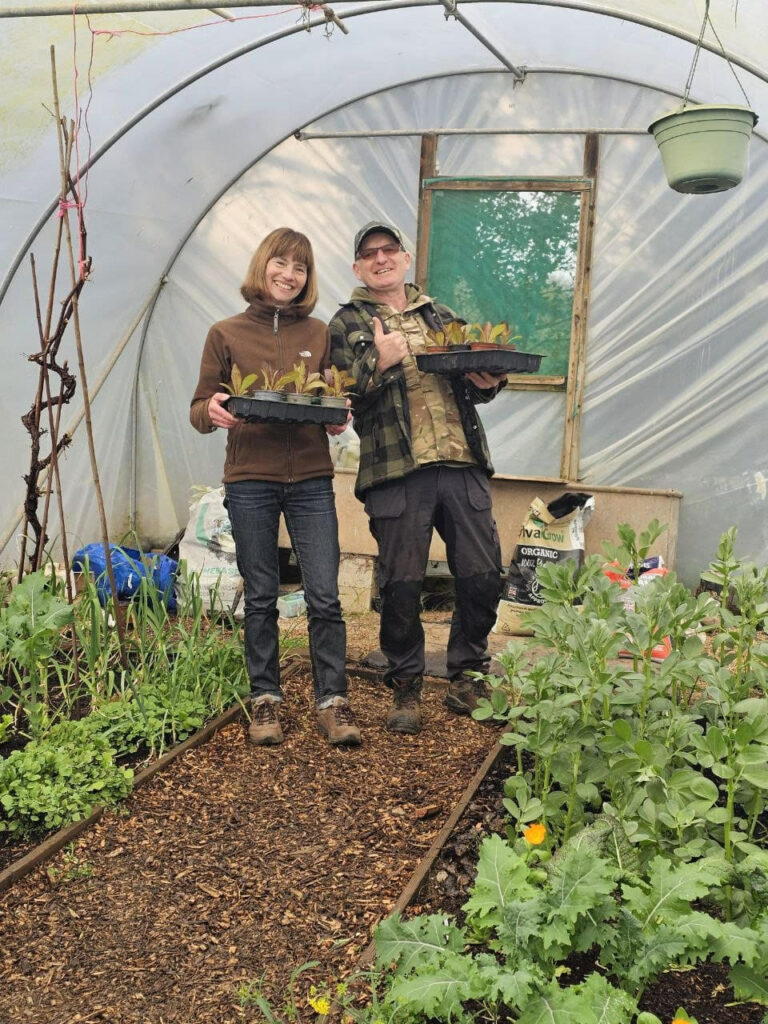
After we have agreed the terms, we will need to raise funds to improve the space so that it is fully usable. By the end of the year, we hope to have the space in use, with a programme involving five to ten active volunteers.
We are also keen to work with more community groups and organisations. We have already held an event with Truro Nourish Hub and are engaging with Incredible Edible Truro. Rob is also sharing some produce with a community café.
Ensuring the long-term viability of the project is a priority, so we are beginning to identify further funding opportunities. We have also received enquiries from social prescribers and see significant potential to work with a wider range of groups.
While we are currently set up to work with individuals, we recognise the opportunity to engage with organisations that support them. There are many ways the project could develop in the future.
For more information, visit www.communitypatchworkfarm.org.uk