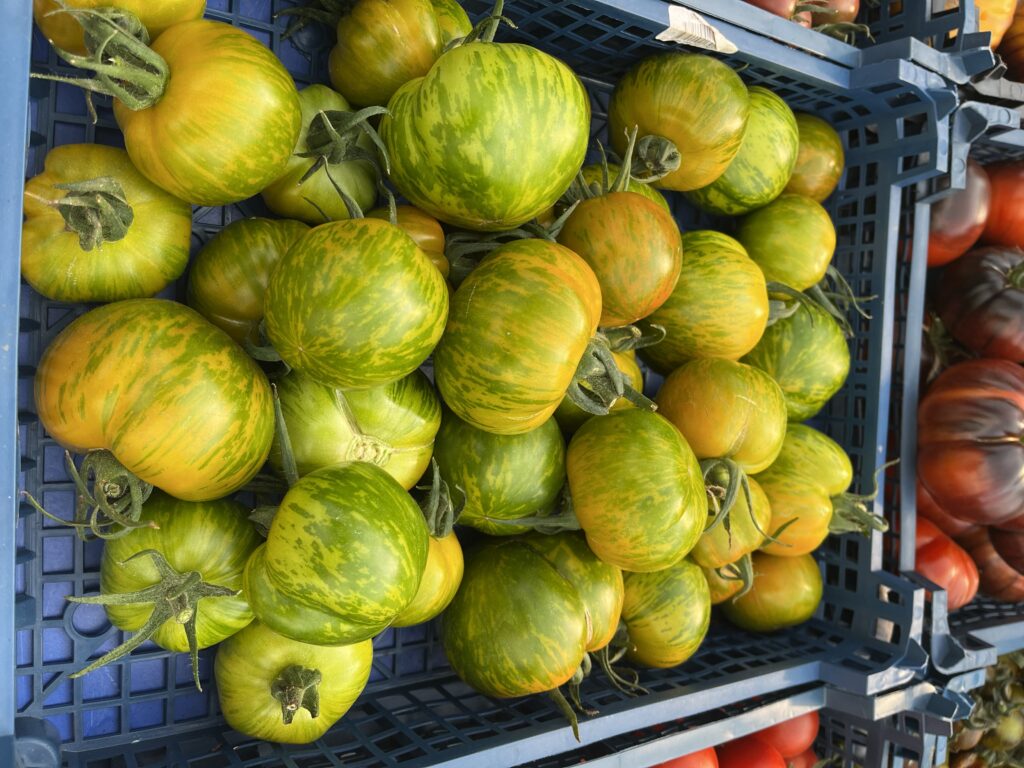
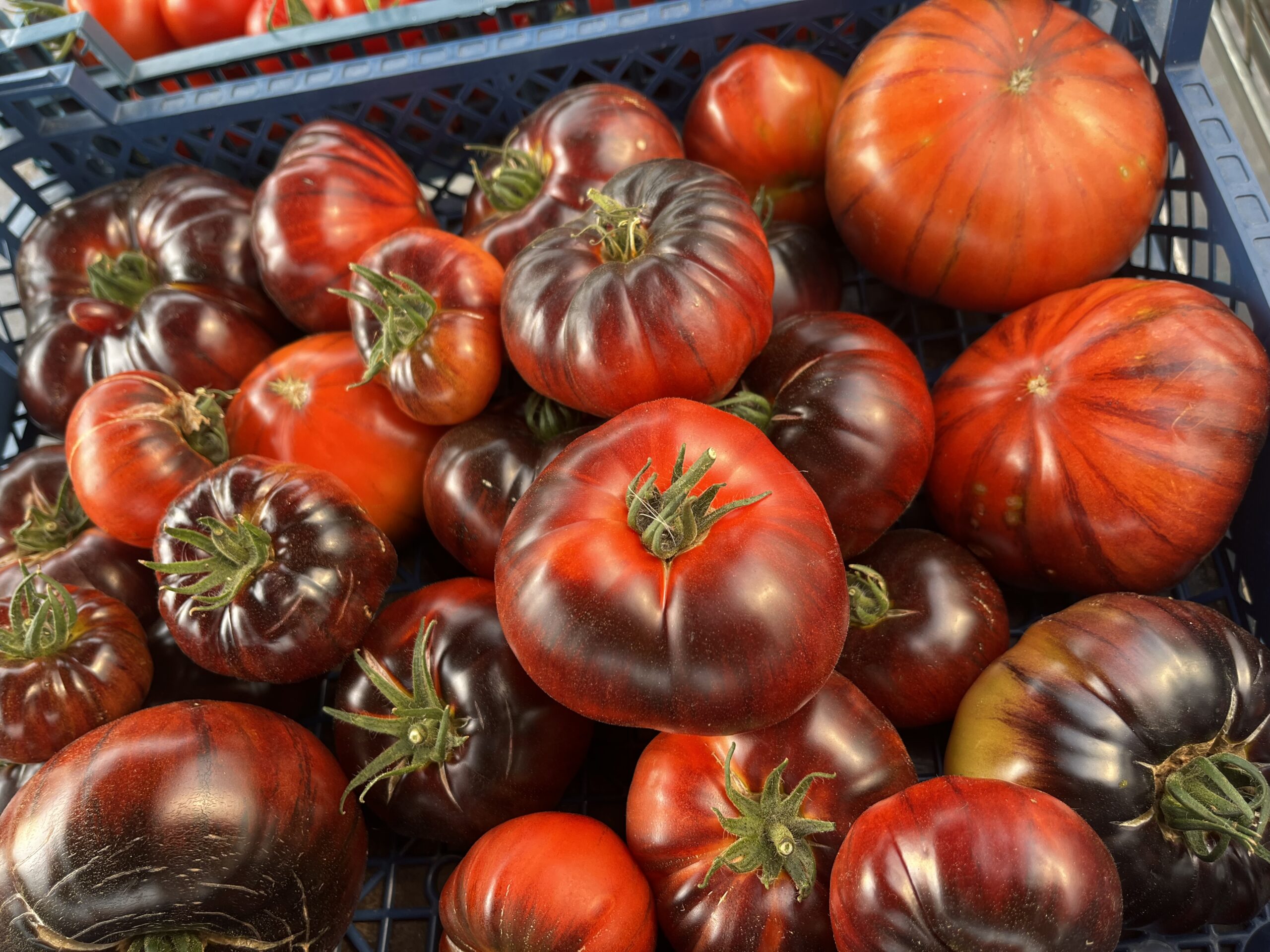
At the Eden Project, they are bringing the future of food to life through practical, real-world solutions. From growing fresh produce just metres from their restaurants in their geothermally heated plant nursery, to recycling water and food waste, every step is part of their journey towards becoming climate positive.
Since food production began in 2023 at the new onsite plant nursery, Eden have been harvesting crops as required and delivering them to their kitchens within minutes. This hyper-local approach reduces packaging, transport emissions and food miles while ensuring exceptional freshness and quality for the more than half a million visitors they welcome each year.
Alongside fruit, vegetables, salads and herbs, the nursery also enables them to grow speciality crops such as lemongrass, ginger and turmeric, reducing the need to import ingredients that are typically grown overseas. Powered by geothermal energy, the nursery allows them to produce salad leaves and herbs throughout the year, while seasonal crops including tomatoes, cucumbers, sweet peppers and aubergines thrive from mid-May through to late autumn.
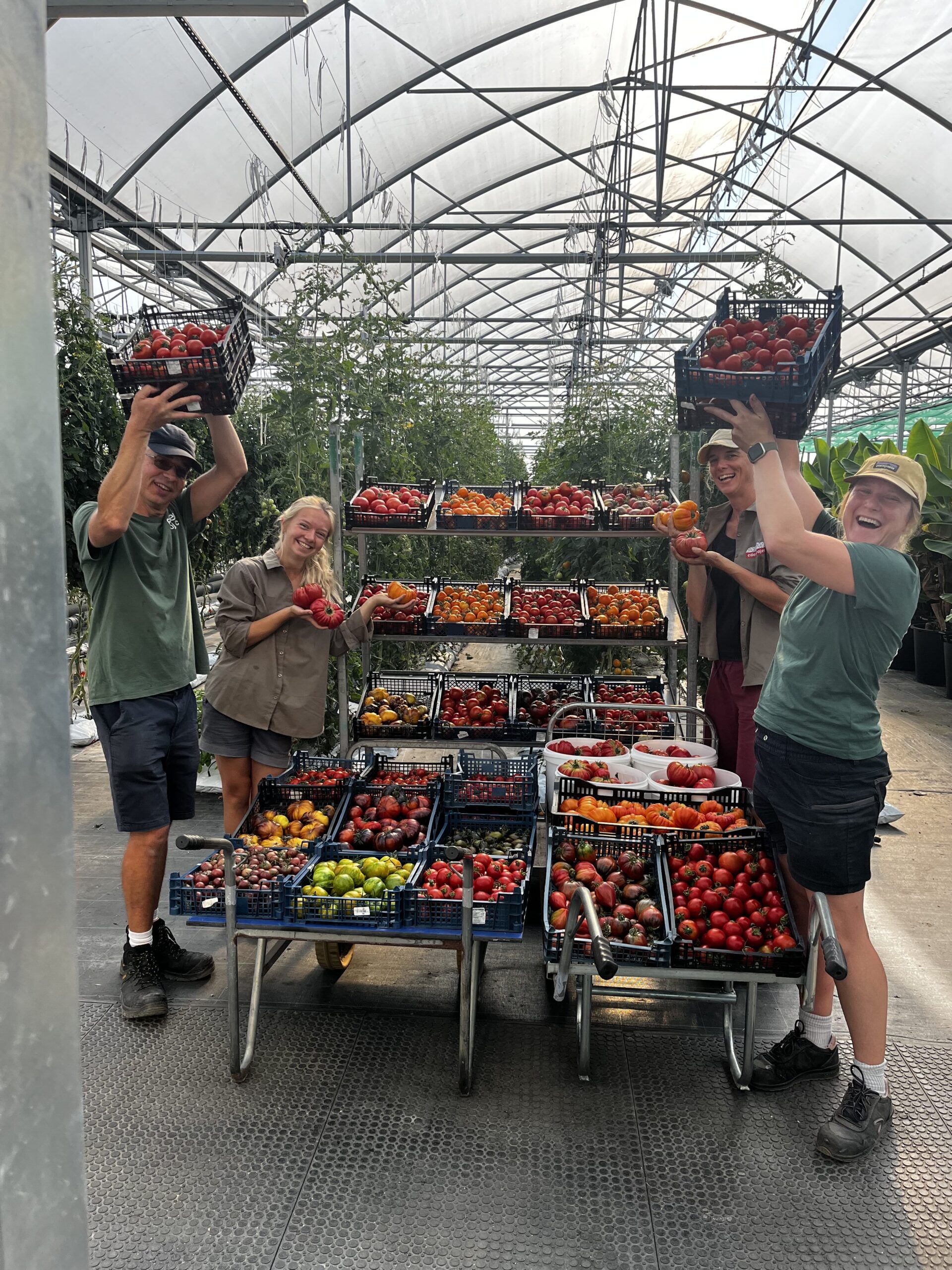
The Eden Project are also trialling a new LED lighting system that works alongside rooftop solar panels, helping to explore even more sustainable ways to grow food. A robust integrated pest management system, including weekly pest monitoring and the introduction of beneficial insects, means there is no need to spray crops with harmful chemicals.
This years harvest has already exceeded two tonnes of tomatoes, with produce supplying both restaurants and an on-site shop. Last year, more than 2.5 tonnes of tomatoes were harvested between May and December. While this summers warm weather has helped their sweet peppers flourish, the prolonged heat has placed additional stress on the tomato plants, highlighting the growing challenges of farming in a changing climate.
Water resilience is another key focus. Rainwater collected from the nursery roof is stored in a lagoon the size of an Olympic swimming pool and has provided enough irrigation to sustain the nursery over the past two summers. However, with longer, drier summers becoming an increasing possibility, they are now exploring ways to expand rainwater collection capacity, ensuring the nursery remains resilient and productive in the years ahead.